
Understanding how often emergency lights should be tested is critical for safety, compliance, and liability protection. Emergency lighting plays a vital role during a power failure, guiding occupants along exit routes and ensuring safe evacuation in real emergency situations. Without regular testing, emergency and exit lights may fail when they are needed most.
Safety codes and regulations around the world clearly define how emergency light systems must be inspected, tested monthly, and evaluated annually. Whether you manage a commercial building, industrial facility, healthcare site, or residential complex, knowing the correct testing frequency is essential for life safety and compliance.
This guide explains emergency lighting tests, testing requirements by region, who is responsible, and common mistakes to avoid.
Why Emergency Lighting Needs Regular Testing
Life safety and legal accountability
Emergency lighting is essential for directing occupants to safety during fires, blackouts, or other emergencies. Inadequate emergency lighting can lead to injuries, panic, and blocked exits. For this reason, emergency and exit lights are regulated under life safety codes and fire protection standards.
Building owners, managers, and safety officers have a legal duty to ensure emergency light fixtures remain operational. Failure to perform required testing of emergency lighting can result in fines, failed inspections, or enforcement actions from the fire marshal. More importantly, non-compliant lighting systems put occupants at risk.
Battery performance and runtime assurance
Most emergency lighting units rely on battery power. Over time, emergency light batteries degrade, reducing the required duration they can support illumination. Regular testing ensures lights run for the minimum of 90 minutes, as required by many safety codes.
Monthly and annual inspections verify that bulbs, batteries, and lighting circuits function correctly, ensuring the emergency light must remain illuminated for the required duration during a real emergency.
Standard Emergency Lighting Testing Schedule
Daily (visual inspection)
A daily visual inspection is recommended for critical facilities. This quick inspection confirms that the indicator light is illuminated, fixtures are undamaged, and exit signs and emergency lights appear operational.
Although not always mandated by code, visual inspection is considered a best practice in maintaining emergency lighting systems.
Monthly (functional test)
A monthly test is required by most safety codes. Emergency lights must be tested monthly for at least 30 seconds. During this monthly 30-second test, power to the emergency lighting system is interrupted to simulate a power failure.
Using the test button, staff should confirm that:
- Emergency lights run on battery power
- Exit light and exit sign illumination remains visible
- Bulbs do not flicker or dim
- Emergency and exit lights activate within 30 seconds
This tested monthly procedure ensures that emergency lights need minimal delay when main power is lost.
Annual (full-duration test)
An annual test is the most critical inspection. Emergency lighting must undergo an annual full-duration test lasting 90 minutes (or minimum of 90 minutes). During this annual full-duration evaluation, emergency lights must remain illuminated for the entire required duration.
The 90-minute test confirms battery capacity, fixture reliability, and overall emergency lighting system performance. Any lights dim, fail early, or do not activate must be repaired immediately.
Regional Testing Requirements
UK (BS 5266, EN 50172)
In the UK, BS 5266 and EN 50172 define emergency lighting tests. Emergency lights must be tested monthly for at least 30 seconds and annually for 90 minutes. Detailed logbooks are mandatory, and emergency light fixtures must be checked by trained personnel.
USA (NFPA 101, OSHA)
In the United States, testing requirements are outlined in NFPA 101, also known as the Life Safety Code. According to NFPA 101:
- Emergency lighting must be tested monthly for 30 seconds
- Emergency lights must pass an annual 90-minute test
- Exit signs and emergency lighting must activate automatically during power failure
OSHA enforces compliance in workplaces, and codes like NFPA 101 are widely adopted by local code authorities.
Australia (AS/NZS 2293)
Australian standards AS/NZS 2293 require routine inspection and testing, including monthly inspection, six-month checks, and annual full-duration testing. Emergency lighting tests ensure lights run for least 90 minutes under emergency power.
Key differences and runtime expectations
While testing frequency is similar globally, documentation and enforcement vary. Most regions require:
- Monthly 30-second test
- Annual 90-minute test
- Accurate logbooks
- Compliance with local code and safety codes
Who Is Responsible for Testing?
Legal duty holders in commercial and residential buildings
Responsibility for testing emergency lighting lies with the legal duty holder. This may include:
- Building owners
- Property managers
- Facility managers
- Employers
These individuals must ensure inspection and testing are conducted according to required testing schedules. Emergency lighting and exit signs must be compliant at all times.
In-house staff vs. certified contractors
Some facilities use trained in-house staff for monthly inspection and testing. However, annual checks and thorough emergency evaluations are often performed by certified contractors offering professional testing services.
Using qualified professionals ensures emergency lighting tests are documented correctly and align with code requirements.
Emergency Lighting Logbooks and Documentation
What to record after each test
Every emergency lighting test must be documented. Logbooks should include:
- Date of testing
- Type of test (monthly and annual)
- Results of inspection
- Repairs or corrective actions
- Signature of the person conducting the test
This documentation is essential for demonstrating compliance during audits or inspections by the fire marshal.
Retention periods and audit readiness
Records should be retained for several years, depending on local code. Maintaining organized logbooks ensures audit readiness and protects building managers during inspections and safety reviews.
Common Testing Mistakes to Avoid
Skipping monthly checks
One of the most common mistakes is skipping the monthly inspection. Emergency lights need regular testing to identify battery degradation early. A missed monthly 30-second test increases the risk of failure during a real emergency.
Inadequate documentation
Even if testing is performed, failure to document inspection and testing properly can result in non-compliance. Documentation is essential for safety and compliance verification.
Misunderstanding duration requirements
Many facilities misunderstand the difference between monthly and annual tests. Monthly tests require thirty seconds to test functionality, while annual tests require a minimum of 90 minutes. Confusing these requirements can lead to failed inspections.
Emergency Lighting and Fire Protection Systems
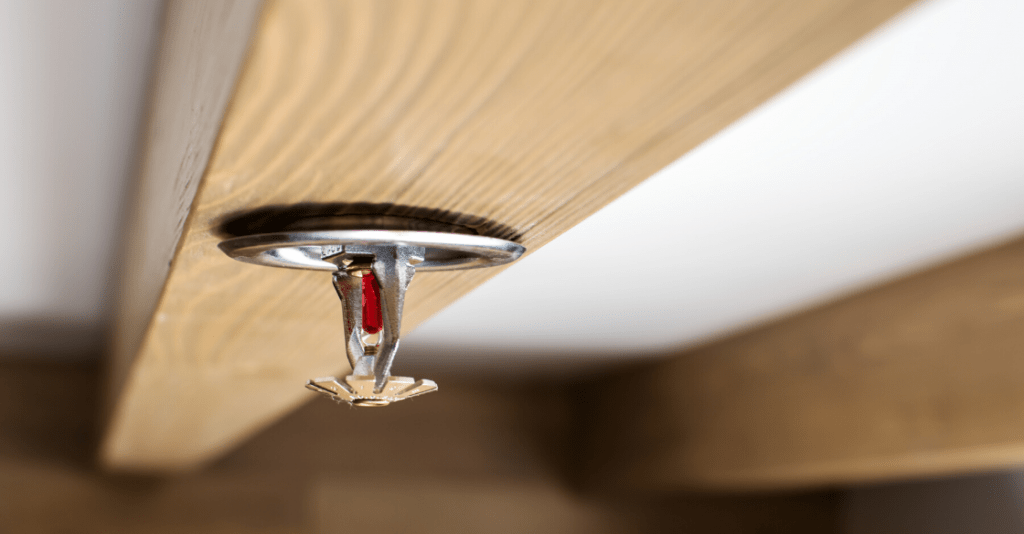
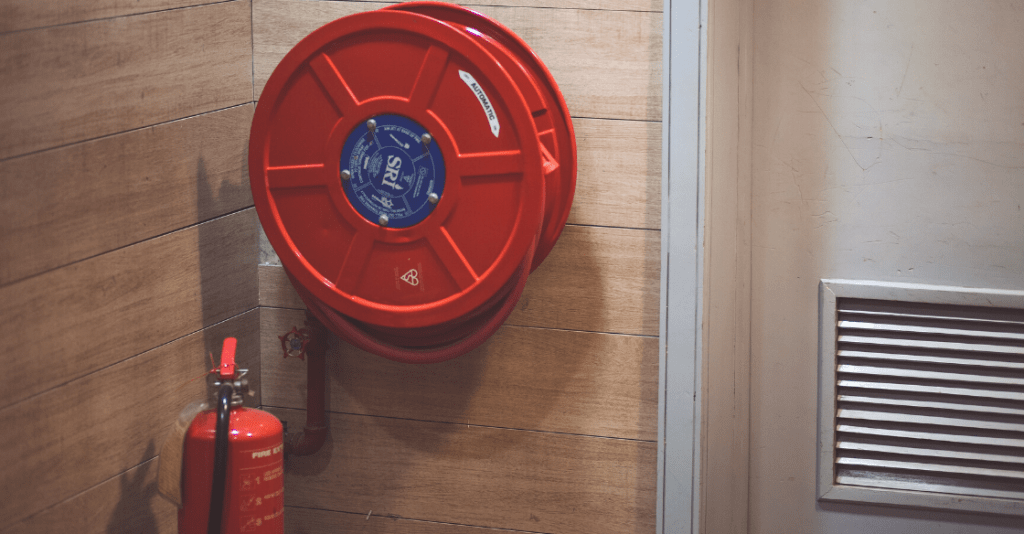
Emergency lighting is part of a broader fire protection strategy. Facilities should ensure coordination between emergency and exit lights, fire extinguishers, suppression systems, and emergency generator backups.
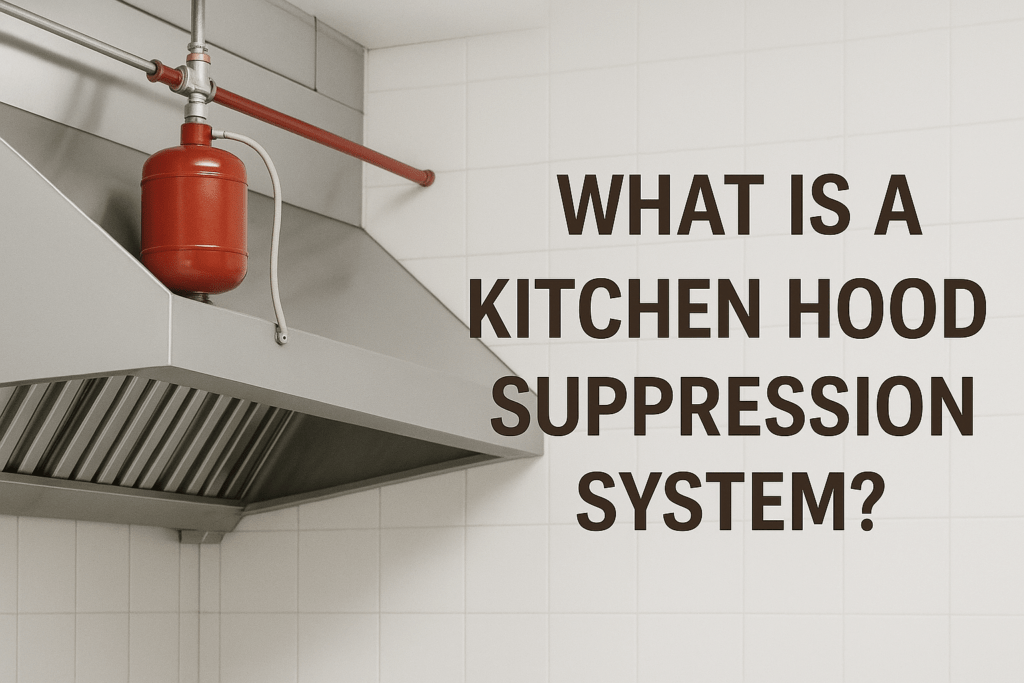
For example, understanding what is a kitchen hood suppression system helps commercial kitchens integrate emergency lighting with fire suppression safety.
Routine inspections align closely with other fire protection requirements, such as how often should hood suppression systems be inspected to ensure consistent safety practices.
Proper emergency lighting placement complements fire extinguisher mounting height requirements and supports visible egress during emergencies.
Facilities should also understand extinguisher lifecycle rules, including can fire extinguishers be refilled or do they expire and do fire extinguishers expire.
Environmental compliance also matters. Awareness of VOC regulations ensures emergency lighting and fire protection upgrades remain compliant with environmental standards.
Using tools like a fire extinguisher inspection checklist and following proper fire extinguisher maintenance supports a holistic safety program.
How often should emergency lights be tested?
Emergency lights must be tested monthly for 30 seconds and annually for 90 minutes according to most safety codes.
What happens if emergency lights fail inspection?
Non-compliant emergency lighting systems must be repaired immediately and retested to meet required testing standards.
Do exit signs require testing?
Yes, exit sign illumination is included in emergency and exit lighting inspections and must remain visible during power failure.
Final Thoughts on Emergency Lighting Testing Frequency
Knowing how often should emergency lights be tested is fundamental to maintaining emergency lighting systems that protect occupants and ensure compliance. Monthly and annual tests, proper documentation, and adherence to safety codes like NFPA 101 are essential.
Regular testing of emergency and exit lights supports life safety, reduces liability, and ensures lighting is essential when emergencies occur. By following testing requirements and best practices, building managers can maintain safe, compliant facilities year-round.