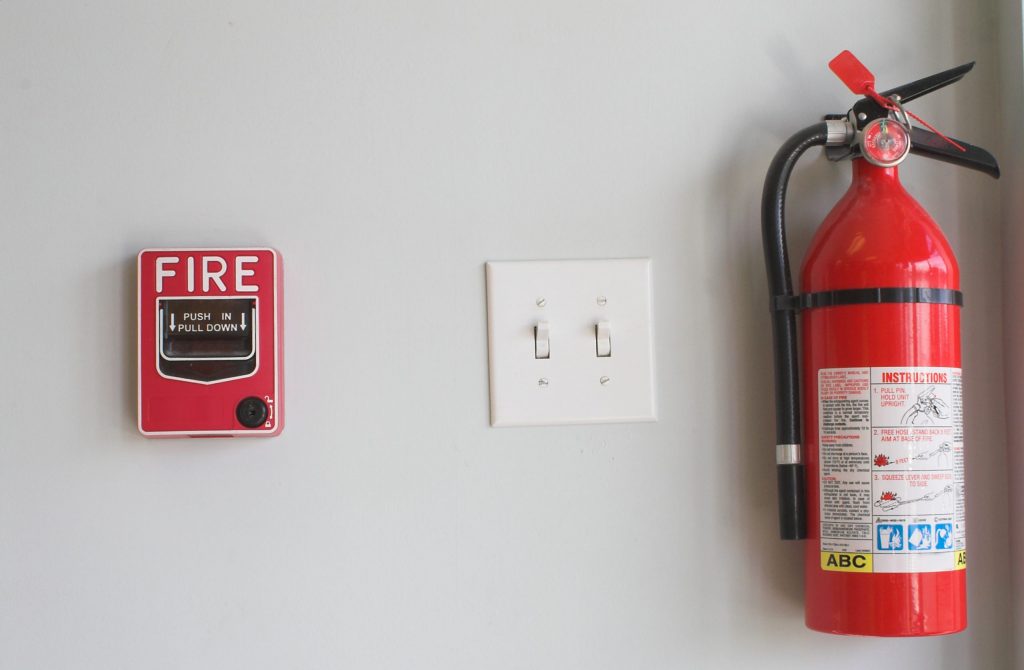

Emergency lighting testing requirements are a critical part of building safety and regulatory compliance. Proper testing ensures that emergency lighting, exit signs, and egress lighting function correctly in the event of a power failure, enabling safe evacuation and protecting occupant safety.
This guide explains what emergency lighting testing is, who must comply, how often testing is required, and which codes and standards apply, including NFPA 101, OSHA regulations, and other fire protection and life safety standards. It is designed for facility managers, compliance officers, maintenance teams, and business owners responsible for life safety systems.
What Is Emergency Lighting and Why Is It Important?
Emergency lighting refers to lighting that automatically activates in the event of a power failure to illuminate exit access, passageways leading to an exit, and the exit discharge. Emergency lighting must operate independently from normal lighting using a dedicated emergency power source.
Types of Emergency Lighting Systems
An emergency lighting system may include:
- Emergency light fixtures with battery backup
- Exit lights and illuminated exit signs
- Emergency lighting units connected to an emergency generator
- Separate emergency lighting powered by an independent power supply
These systems provide emergency illumination along the path of egress and are required in many types of occupancy, including healthcare facilities, schools, workplaces, and commercial buildings.
Role in Life Safety and Fire Codes
Emergency lighting plays a vital role in life safety and fire protection. The NFPA Life Safety Code 101 requires that lighting for exit routes must be illuminated to support safe evacuation during emergency situations. Without adequate illumination, occupants may not safely reach an emergency exit, increasing injury risk during a fire or other incident.
Legal and Regulatory Standards
Emergency lighting requirements are governed by multiple codes and standards, depending on jurisdiction and building type.
BS 5266 (UK) / NFPA 101 (US) / OSHA Compliance
In the United States, NFPA 101 establishes the primary requirements for emergency lighting. Specifically, NFPA 101 Section 7.9 and NFPA 101 Section 7.9.3 define the performance criteria for emergency lighting, including illumination levels, duration, and testing.
Key compliance points include:
- Emergency lighting is required along the means of egress
- Exit signs must be illuminated
- Emergency lighting must provide a minimum illumination level
- Lighting must operate for a duration of 90 minutes
OSHA regulations also reference emergency lighting as part of workplace safety, while NFPA 70 (National Electrical Code) and UL 924 govern electrical and equipment requirements. Local enforcement is handled by the local authority having jurisdiction, often referencing the international fire code.
Who Is Responsible for Compliance?
The responsibility for required inspection, required testing, and documentation typically falls on:
- Building owners
- Facility and property managers
- Safety and compliance officers
- Employers responsible for occupant safety
Failure to comply can result in fines, citations, or shutdowns during a fire code inspection.
Emergency Lighting Testing Frequency
Regular testing ensures that emergency lighting equipment functions properly when needed.
Daily, Monthly, and Annual Tests Explained
Emergency lighting testing includes:
- Visual inspection (often daily or weekly)
- Monthly testing performed every 30 days
- Annual testing conducted annually for a duration of 90 minutes
During monthly testing, emergency lighting must operate for least 30 seconds, also referenced as 30 seconds or least 30 seconds, to confirm basic functionality.
Annual testing requires a full 90-minute or 90 minutes on battery power test to verify endurance.
Duration and Documentation Requirements
According to NFPA 101 Section 7.9.3, emergency lighting must:
- Activate within 30 seconds
- Provide at least 1 foot-candle initially
- Maintain no less than 0.1 foot-candle (less than 0.1 is non-compliant)
Testing to ensure compliance must be documented using written records or digital logs.
Emergency Lighting Testing Procedures
Manual vs Automatic Testing Systems
Emergency lighting can be tested using:
- Manual testing, which simulates an outage by opening a circuit breaker or fuse
- Self-testing or automated systems that perform testing internally or externally
Automated self-testing systems help reduce human error but still require periodic review and inspection.
Step-by-Step Guide for Monthly Testing
A standard monthly testing process includes:
- Simulate a power outage by the opening of a circuit breaker
- Confirm emergency lighting activates within 30 seconds
- Verify exit signs, exit lights, and emergency light fixtures are illuminated
- Confirm illumination along passageways, exit access, and along the path of egress
- Restore normal power and ensure systems recharge
This testing of emergency lighting confirms the system must perform under emergency conditions.
Common Testing Tools and Devices
Testing may involve:
- Light meters to verify lux or foot-candle readings
- Battery diagnostic tools
- Central monitoring panels
- Emergency lighting equipment compliant with UL 924
Emergency Lighting Logbooks and Documentation
What to Record After Each Test
Proper documentation should include:
- Date of testing
- Test duration (monthly or annual)
- Results of testing of emergency lighting
- Any failures or corrective actions
Maintaining written records is often required during a required inspection.
Importance of Maintaining Logs for Audits
Accurate logs demonstrate compliance with OSHA regulations, NFPA 101, and local fire code requirements. Missing records may result in failed inspections, even if emergency lighting is functional.
Common Mistakes and Compliance Risks
Missed Tests and Inadequate Documentation
Common violations include:
- Skipping monthly for at least 30 second tests
- Missing annual testing
- Incomplete logs or undocumented repairs
Emergency lighting must be tested consistently to remain compliant.
Failing to Meet Runtime Requirements
Another frequent issue is failing to achieve the duration of 90 minutes during annual testing. Batteries that do not last least 90 minutes must be replaced immediately.
What Happens If My Emergency Lights Fail the Test?
If emergency lighting fails:
- The fixture must be repaired or replaced
- Batteries or the power supply must be corrected
- Retesting is also required
Emergency lighting is required to function to protect occupants during emergencies.
Do LED Emergency Lights Need to Be Tested Differently?
No. LED systems still require functional testing, including monthly and annual testing, even though they are more energy-efficient.
Related Fire Protection and Safety Resources
Emergency lighting is part of a broader life safety system. For comprehensive compliance, consider reviewing related fire protection topics:
- Learn what is a kitchen hood suppression system and how it integrates with emergency response systems
- Understand how often should hood suppression systems be inspected for commercial kitchens
- Review fire extinguisher mounting height requirements to ensure accessibility
- Clarify can fire extinguishers be refilled or do they expire and do fire extinguishers expire
- Stay compliant with VOC regulations affecting fire protection materials
- Use a fire extinguisher inspection checklist for routine inspections
- Follow proper fire extinguisher maintenance practices
Final Thoughts on Emergency Lighting Testing Requirements
Emergency lighting testing requirements are not optional. Emergency lighting must meet strict standards to ensure safe evacuation, meet life safety code obligations, and protect occupants during power loss. By following NFPA 101, UL 924, NFPA 110, and OSHA regulations, and by maintaining accurate documentation, facilities can remain compliant and prepared.
Consistent testing, proper inspection, and proactive maintenance are essential for a safe, code-compliant building environment.