
If you’re searching for fire extinguisher mounting height requirements, you’re already thinking like a pro about compliance and fire safety. But right after placement, the next operational question hits: can a fire extinguisher be refilled, or do you need to replace it when it gets old?
Here’s the real deal. Some units are designed to be recharged and kept in rotation for decades. Others are single-use and, once they hit their limit, it’s time to replace a fire extinguisher and move on. And yes, fire extinguishers expire eventually, even if they’ve never been used.
Yes — But It Depends on the Type of Fire Extinguisher
Some can be refilled
A refill is only an option when the unit is built to be serviced. In practice, that means rechargeable models with a serviceable valve and parts that can be inspected and restored.
All have a limited lifespan
Even with proper care, each unit has a usable lifespan. Materials age, seals degrade, and performance can drop. In a fire emergency, you need gear that will function properly, not a “maybe.”
Two main types: disposable vs. rechargeable
Most decisions come down to whether you’re dealing with disposable units or rechargeable fire extinguishers. This choice affects cost, compliance, and the cadence of inspection and testing.
If you want a bigger picture of classifications and what they’re used for in a case of a fire (like a grease fire or electrical fires), check out this guide on types of fire extinguishers for quick alignment.
Fire Extinguisher Types and Lifespan
| Extinguisher Type | Refillable? | Lifespan | Notes |
|---|---|---|---|
| Disposable (non-rechargeable) | ❌ No | 10–12 years | Must be replaced when used or expired |
| Rechargeable | ✅ Yes | 20+ years (with proper maintenance) | Can be recharged after use or pressure loss |
This is why “long do fire extinguishers last” gets different answers online. The reality is: fire extinguishers last based on type of extinguisher, use history, and how well your service plan is run. In general, some units tend to last longer and actually last well beyond basic expectations, but only with a legit fire extinguisher service strategy.
Also, if you’ve asked yourself knowing how long they’ll remain dependable comes down to “depends on several factors,” you’re right: storage conditions, handling, corrosion risk, and whether the extinguisher has been damaged (even a small dent) all matter.
When Should a Fire Extinguisher Be Refilled?
Only if it’s rechargeable
A fire extinguisher should only be recharged if it’s designed for it. Disposable fire extinguishers are not meant to be opened and re-pressurized, and fire extinguishers don’t become safer because someone tried to DIY it.
Scenarios that require recharging
- After any use (even partial)
If you used it to extinguish anything, even a quick burst, it may need to be recharged to restore full performance. Many extinguishers require immediate follow-up servicing after discharge. - If pressure is low (gauge not in green zone)
A low pressure gauge reading is a red flag. Units can lose pressure slowly over time, especially if the seals age or the valve assembly has issues. If the gauge is off, you should assume it may not discharge correctly. - After annual maintenance (if required)
Many businesses run a recurring inspection cadence to meet fire codes and insurance expectations. If your site’s program includes annual service steps, that may include verifying internal components and agent condition. A clean process is part of your overall fire protection posture and your fire protection needs planning. - Following hydrostatic testing (every 5–12 years depending on model)
Hydrostatic testing checks the cylinder’s integrity under pressure. Some programs include hydrostatic testing every 5 years depending on the unit type and regulatory framework, while others follow longer windows. Either way, after certain testing procedures, the extinguisher may need to be refilled and re-pressurized.
🔧 Refilling must be done by a certified fire protection technician
This is non-negotiable. A professional fire protection provider has the tools to inspect the cylinder, check the extinguishing agent, and pressurize the unit correctly. This is also where documentation happens, which matters when auditors ask for proof of inspection date and compliance.
If you want a practical checklist style approach to what gets reviewed, use this internal resource: fire extinguisher inspection checklist and pair it with fire extinguisher maintenance so your teams stay aligned on standards.
When Does a Fire Extinguisher Expire or Need Replacement?
A unit may be considered expired based on age, condition, or missing records. In operational terms, it’s “expired” when it’s no longer reliable, no longer compliant, or has reached the end of recommended service life.
It’s expired if:
- Past its recommended service life
Some units are designed to be replaced at a defined interval. For many single-use models, this is often 10 to 12 years, and you’ll hear “every 12 years” as a common benchmark for replacement cycles. That’s why you’ll also see phrasing like “replaced every 12 years” in compliance discussions. - Has signs of damage, rust, or leaks
Any physical damage matters. Corrosion, leaks, or a compromised cylinder means it should be removed from service. Even a bent handle or compromised hose or nozzle can affect discharge direction and control. - Pressure gauge is in the red zone
If the pressure gauge is not in the green, treat it as an immediate corrective action. You don’t want to discover the extinguisher can’t discharge in the moment you need to extinguish a fire. - Tamper seal or safety pin is missing
A missing pin, broken seal, or broken or missing safety mechanism is a signal the extinguisher may have been used or altered. Operationally, that’s enough to trigger replacement or service evaluation. - There’s no record of maintenance or inspection
If an extinguisher hasn’t been documented, many programs treat it as non-compliant. If your business’s fire readiness plan depends on documented compliance, missing records can be a real liability.
Disposable units must be fully replaced after:
- Use
- Expiration (typically 10–12 years)
- Failing visual checks
- When the unit reaches the end of its expected lifecycle and you need to be replaced it for reliability
In other words, once it’s an expired fire extinguisher, the best move is usually to need to replace it rather than gamble. If you’re building a simple internal SOP, the language can be direct: replace your fire extinguisher when it’s expired, damaged, or undocumented.
If you want a deeper dive specifically focused on the fire extinguisher expiration topic and how expiration date expectations show up in the real world, read do fire extinguishers expire to align your policy.
How to Check if a Fire Extinguisher Is Still Good
This is your practical field check. It won’t replace professional servicing, but it helps you spot risk early and keep your readiness tight.
🗓 Check manufacture date (stamped on label or cylinder neck)
The manufacture date is often the fastest indicator of age. If you’re near that typical replacement window, it’s time to plan a swap. This also helps when you’re determining how long the unit has realistically been in rotation.
🔍 Inspect the pressure gauge
Confirm the pressure gauge is in the green. If it’s low, it might lose pressure from seal wear or micro-leaks. If it’s over-pressurized, that can also be dangerous.
📋 Look at the inspection tag
The inspection tag should show routine checks and the latest service history. If the inspection record is missing, your extinguisher hasn’t been verified, and that’s not a place you want to be.
🛠 Check for physical damage or signs of wear
Look for corrosion, cracks, a broken handle, clogged nozzle, and any issues with the valve or discharge assembly. If the extinguisher is damaged, treat it as suspect and get it evaluated through a fire extinguisher service provider.
If you’re trying to standardize this across multiple sites, operationalize a recurring fire extinguisher inspection workflow and map it into your broader safety program so your team knows who owns checks, what “pass” means, and when to escalate.
Where Mounting Height Requirements Fit Into All This
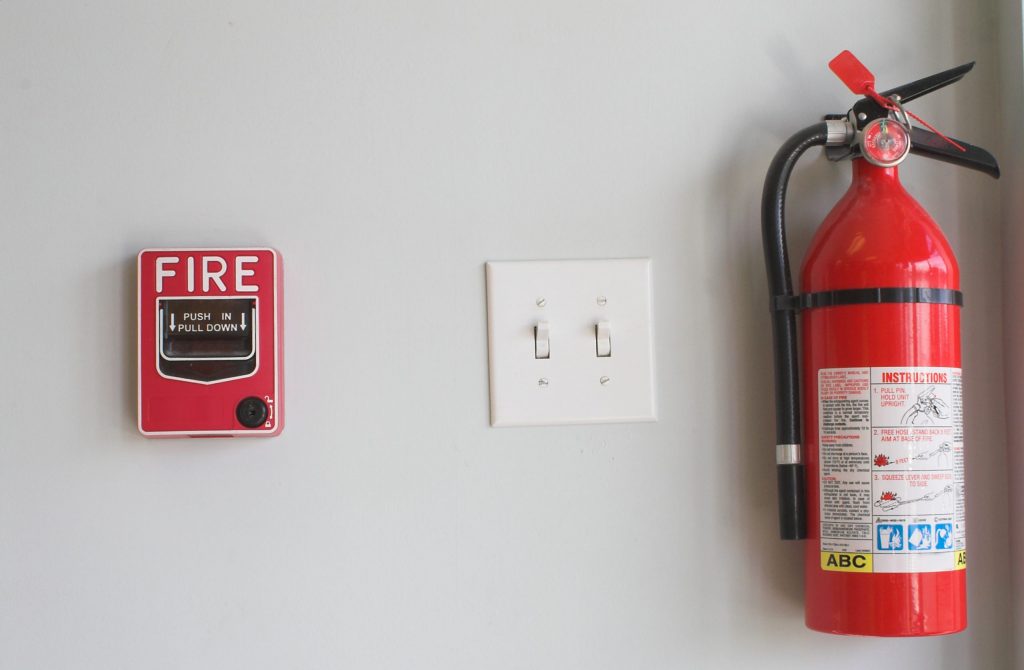
Let’s connect it back to your original keyword: fire extinguisher mounting height requirements. Placement is part of compliance, but it also impacts usability. If the extinguisher is too high, too low, blocked, or mounted in a location people can’t access quickly, you’ve basically turned your safety gear into decor.
To keep the full system effective, align three layers:
-
Placement and access (mounting height, visibility, and reachability)
-
Readiness (pressure, seals, nozzle condition, and inspection records)
-
Lifecycle management (replacement, recharge plans, and testing intervals)
This is why most teams bundle extinguishers into an integrated fire program alongside alarms and sprinklers. If you’re mapping your safety content hub, these resources integrate well as supporting internal links:
- how do fire sprinklers work
- how often do sprinkler systems need to be inspected
- what is a fire alarm system
- types of fire alarm systems
- how to reset fire alarm system
What to Do With an Expired or Damaged Fire Extinguisher
First: never toss it in household trash. Pressurized cylinders and residual agent can be hazardous, and you want to stay aligned with local handling rules.
Options:
- Take it to a certified fire extinguisher service center
This is often the best route, because they can confirm whether it can be serviced, depressurized, or recycled. - Contact your fire department or local fire department or ask your city/county about drop-off programs
Many areas coordinate disposal options or can point you to approved facilities. If you’re unsure, calling the fire department non-emergency line is a fast way to avoid mistakes. - Use a hazardous waste facility
This is especially relevant if local rules require special handling for the agent or cylinder. In some markets, this falls under hazardous waste guidance.
If your extinguisher is tied to specific building compliance and broader safety regs, keep an eye on related standards too. For example, if your environment includes coatings, solvents, or indoor air requirements, you may also care about voc regulations as part of a wider compliance lens. In real operations, these issues often overlap when facilities are upgrading safety and environmental controls.
Conclusion
Yes, a fire extinguisher can be refilled, but only if it’s rechargeable and designed to be serviced. Disposable extinguishers are a replace-only play, and they typically reach end-of-life around 10 to 12 years, meaning it’s often time to replace rather than attempt a recharge.
The growth move is to treat this like a system: confirm placement with fire extinguisher mounting height requirements, run consistent inspection, document every service, and plan replacement cycles before you get stuck with an expired fire extinguisher during a fire emergency.