
A fire alarm system is a critical component of any comprehensive fire protection plan. These systems are designed to detect the presence of smoke, heat, or flames and trigger an alarm to alert occupants of a potential fire. Whether in residential buildings, commercial properties, or industrial facilities, fire alarm systems are essential for protecting lives and property.
The importance of fire detection and alarm notification cannot be overstated. An early warning from a functioning fire system can significantly reduce damage, prevent injuries, and potentially save lives. These systems also support compliance with local and national fire safety standards.
How does a fire alarm system work?
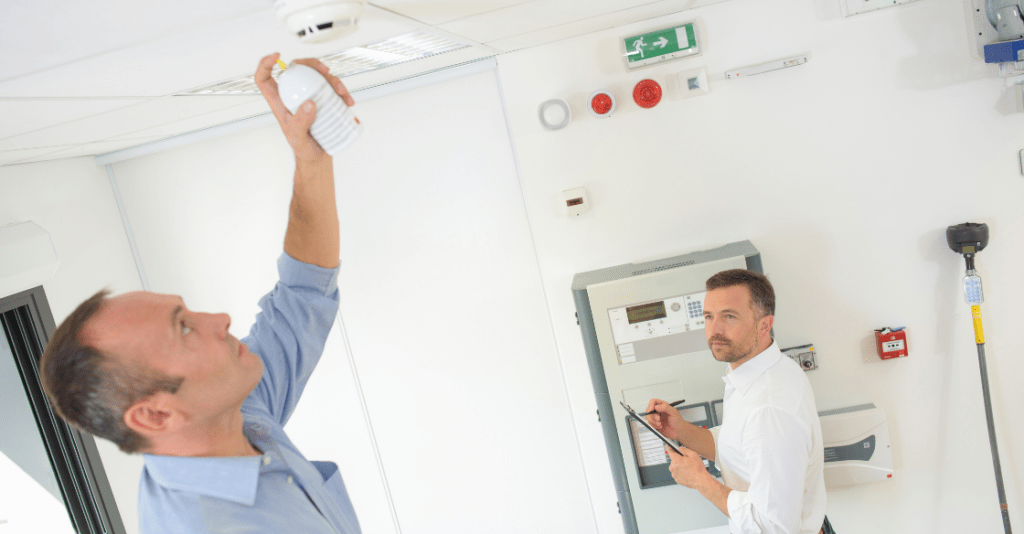
A fire alarm system operates by using initiating devices, such as smoke detectors, heat detectors, and manual pull stations, to detect the presence of fire. Once activated, these devices send a signal to the fire alarm control unit (also known as the control panel), which processes the input and activates the alarm notification systems, such as bells, sirens, voice alarms, or visual alarms.
In the event of a fire, the system may also notify the fire department, initiate building evacuation procedures, and interact with other safety mechanisms like HVAC systems, fire doors, or even a sprinkler system.
Example scenario: In a commercial kitchen, a heat detector senses abnormal temperatures, triggering the fire alarm control panel, which then activates the alarm signal and notifies the local fire brigade for immediate response. For more detailed info read our How Does a Fire Sprinkler System Work? for a full overview
Components of a fire alarm system
A reliable fire alarm system includes multiple interconnected parts, each playing a crucial role in fire detection and response. Key components include:
- Smoke detectors: These fire detectors are designed to detect the presence of smoke, a common early indicator of fire.
- Heat detectors: Ideal for environments prone to dust or steam, heat detectors respond to changes in temperature.
- Manual call points: Also known as manual pull stations, these allow individuals to trigger an alarm manually.
- Control panels: The fire alarm control panel acts as the system’s brain, receiving signals from initiating devices and managing system response.
- Alarm sounders/bells: These devices deliver auditory warnings to occupants.
- Communication modules: These allow the system to send signals to the fire department or a central alarm monitoring service.
Types of fire alarm systems
There are different types of fire alarm systems available, each suited for specific needs and building types. The main types of fire alarms include:
Conventional fire alarm system
A conventional system divides the building into zones, with each initiating device wired individually to the control panel. When an alarm is triggered, the panel shows the zone, not the exact device. This type of system is commonly used in small buildings.
Addressable fire alarm system
An addressable system allows each initiating device to have a unique address. The addressable fire alarm system provides precise information about the location of the fire, improving response time. These are ideal for large or complex buildings.
Wireless fire alarm system
This type of system uses radio signals to connect initiating devices to the control panel, offering a clean installation with minimal wiring. They are often used in historical buildings or temporary structures.
Hybrid system
Combining elements of both conventional and addressable fire alarm systems, a hybrid system offers flexibility and customization for unique building requirements.
Comparison table (recommended)
| System Type | Wiring | Device Addressability | Best Use Case |
| Conventional | Wired | No | Small buildings |
| Addressable | Wired | Yes | Large facilities |
| Wireless | Wireless | Yes | Retrofits or temporary |
| Hybrid | Mixed | Partial/Yes | Customized installations |
For more details on these types of fire alarm systems, visit our guide on types of fire alarm systems.
Fire alarm system installation and setup
The process of system installation involves the following steps:
- System design tailored to the building layout and fire risks.
- Placement of initiating devices such as smoke detectors and heat detectors.
- Wiring or wireless connections to the alarm panel.
- Integration with notification systems and optional alarm monitoring services.
- Final testing and inspection.
Residential vs. commercial differences are substantial. A commercial fire alarm system typically requires more complex integration, zoning, and compliance with industry-specific requirements compared to simpler home systems.
Regulatory considerations must follow NFPA 72, local building fire codes, and any additional mandates for the type of system and occupancy type. To know which one is the best for you, read our What are the 6 Classes of Fire? to choose the right one
Benefits of installing a fire alarm system
Installing a fire alarm system offers significant benefits:
- Life safety: Early fire detection and alarm notification can prevent injuries and fatalities.
- Property protection: A system designed to detect fires quickly can minimize structural damage.
- Insurance incentives: Many insurers offer reduced premiums for buildings with reliable fire alarm systems.
- Legal compliance: Adhering to standards for fire systems helps avoid penalties and lawsuits.
In addition, fire alarm systems are designed to support fire suppression and life safety system infrastructure.
Maintenance and testing of fire alarm systems
Maintaining a functioning fire system is crucial:
- Monthly checks of smoke detectors, manual pull stations, and control panels ensure proper function.
- Annual inspections by certified professionals help identify hidden faults.
- Common issues include outdated devices, faulty system control units, and neglected battery backups.
A system is installed not just to meet codes, but to perform when it matters most. Avoid an outdated fire system by following manufacturer guidelines and legal requirements.
Learn more about sprinkler system maintenance in our guide: how often do sprinkler systems need to be inspected and How Many Fire Extinguishers for Home Use Are Required?
Fire alarm system regulations and standards
Every alarm system is a network of components regulated by multiple standards:
- NFPA 72: This is the national benchmark for fire alarm system design and implementation.
- Local building codes: These may set requirements on system installation, inspections, and system design.
- Industry-specific requirements: Hospitals, schools, and data centers often have their own fire protection systems standards.
Following these ensures your alarm system for your building is safe, legal, and effective.
Choosing the right fire alarm system
Choosing a fire alarm involves several key factors:
- Building size and layout: Larger facilities benefit from addressable systems.
- Type of occupancy: A commercial fire alarm may differ from residential systems
- Budget: Cost impacts decisions between conventional and addressable solutions.
- Use case: Consider if the system must integrate with other security system or intrusion alarm systems.
A professional installer can help you assess different types of systems and find the best fit. Consult our team for guidance on how to reset fire alarm system.
A well-installed and maintained fire alarm system is essential for life safety, property protection, and regulatory compliance. With several types of fire alarm systems to choose from—including conventional, addressable, wireless, and hybrid, it’s important to evaluate your building’s needs carefully.
To maximize the effectiveness of your fire protection systems, consult with an expert. Explore our blog on types of fire extinguishers for added layers of safety, and learn how do fire sprinklers work to complete your comprehensive fire defense.
Contact a certified fire safety professional today to get started on the right fire system for your property.