


How Often Should Emergency Lights Be Tested?
Understanding how often emergency lights should be tested is critical for safety, compliance, and liability protection. Emergency lighting plays a vital role during a power failure, guiding occupants along exit routes and ensuring safe evacuation in real emergency situations. Without regular testing, emergency and exit lights may fail when they are needed most. Safety codes…
Read More 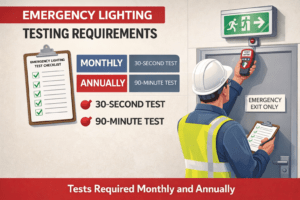
Emergency Lighting Testing Requirements
Emergency lighting testing requirements are a critical part of building safety and regulatory compliance. Proper testing ensures that emergency lighting, exit signs, and egress lighting function correctly in the event of a power failure, enabling safe evacuation and protecting occupant safety. This guide explains what emergency lighting testing is, who must comply, how often testing…
Read More How to Inspect a Fire Extinguisher: A Complete Guide
Regular fire extinguisher inspection is a critical component of any effective fire safety strategy. Whether you’re protecting a commercial facility or a residential property, knowing how to inspect a fire extinguisher ensures your equipment is operable in the case of a fire. A well-maintained fire extinguisher is vital for fire prevention. fire extinguisher can prevent…
Read More When to Replace a Fire Extinguisher
Understanding when to replace a fire extinguisher is crucial for ensuring proper fire safety in your home or business. A fire extinguisher is one of the most vital pieces of fire protection equipment, capable of stopping a fire in its early stages. However, like all safety tools, fire extinguishers expire, degrade over time, and must…
Read More Types of Fire Extinguishers
Fire safety is a crucial aspect of protecting life and property from fire. Understanding how different fire extinguishers work and when to use them is vital for effective fire protection. Whether at home, work, or in industrial settings, having the right type of fire extinguisher and knowing how to use it properly can prevent small…
Read More How To Reset Fire Alarm System
Fire alarm systems are crucial for safety in both residential and commercial spaces. However, alarms sometimes need to be reset after false triggers, maintenance, or real emergencies. This guide will walk you through how to reset fire alarm system properly, covering various device types, safety steps, and troubleshooting tips. Before diving into resets, it’s essential…
Read More Fire Alarm System: Basics and Components
A fire alarm system is a critical component of any comprehensive fire protection plan. These systems are designed to detect the presence of smoke, heat, or flames and trigger an alarm to alert occupants of a potential fire. Whether in residential buildings, commercial properties, or industrial facilities, fire alarm systems are essential for protecting lives…
Read More Types of Fire Alarm Systems
Fire alarm systems are a vital part of any comprehensive fire protection strategy. With various types of fire alarm systems available, selecting the right one for your building can significantly improve life safety, minimize property damage, and ensure compliance with regulations. This guide breaks down the main types of fire alarm systems, their components, advantages,…
Read More NFPA And Fire Sprinkler System Inspection Guide
Regular fire sprinkler inspections are essential for maintaining fire safety, ensuring compliance with regulations, and keeping your fire sprinklers in working order. Whether you own a commercial property, industrial facility, or residential building, understanding how often sprinkler systems need to be inspected is a critical part of your fire protection strategy. This guide will walk…
Read More How Does a Fire Sprinkler System Work?
Since fire sprinklers were first introduced in the 19th century, they have become a critical component of fire protection in homes, offices, warehouses, and many other structures. These systems are designed to detect and extinguish fires quickly, often before the fire department even arrives. Understanding how a fire sprinkler system works is essential for both…
Read More 
How Often Should Hood Suppression Systems Be Inspected?
If you run a commercial kitchen, your hood suppression system is one of the most important layers of fire safety between a routine service rush and a serious fire hazard. The short answer is simple: per NFPA 96, your hood suppression systems across commercial cooking operations must be inspected at least every 6 months. In…
Read More 
What Is a Kitchen Hood Suppression System? A Complete Guide for Commercial Kitchens
If you run a commercial kitchen, fire safety is not a “nice to have”, it is a requirement. Between open flames, high-heat cooking equipment, and cooking oils and grease, the source of most kitchen fires can escalate fast. That is exactly why a kitchen hood suppression system exists: to detect and suppress fires directly at…
Read More 
Can Fire Extinguishers Be Refilled or Do They Expire?
If you’re searching for fire extinguisher mounting height requirements, you’re already thinking like a pro about compliance and fire safety. But right after placement, the next operational question hits: can a fire extinguisher be refilled, or do you need to replace it when it gets old? Here’s the real deal. Some units are designed to…
Read More 
Fire Extinguisher Mounting Height Requirements: OSHA & NFPA Guidelines Explained
When it comes to workplace fire safety, a fire extinguisher is only useful if people can actually see it, reach it, and use it fast in the event of a fire. That is why fire extinguisher mounting height requirements matter. These height requirements reduce risk, support safety and compliance, and help ensure fire extinguishers are…
Read More 
VOC Regulations: What They Are and How to Stay Compliant
If you manufacture, sell, specify, or apply a coating, understanding VOC regulations is not optional anymore, it is a growth lever and a risk reducer. Today’s current regulations are designed to protect air quality, reduce air pollution, and limit VOC emissions that contribute to ground-level ozone and smog. The challenge is that VOC compliance happens…
Read More 
Do Fire Extinguishers Expire? Learn When It’s Time to Replace
If you’ve ever looked at a fire extinguisher in your home, office, or job site and wondered whether it can go bad, you’re not alone. The reality is simple: fire extinguishers expire. Even when they’re sitting untouched, the internal components and chemical agents inside can degrade and cause pressure loss, leaks, or failures that may…
Read More 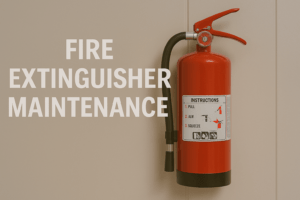
Fire Extinguisher Maintenance: What You Need to Know to Stay Safe & Compliant
Fire extinguisher maintenance is not just a “nice to have” for your home or business. It is a life-safety requirement that helps ensure your fire extinguisher is essential, operable, and available for use the moment a small fire happens. Beyond safety, it also supports compliance and helps keep your property safe, especially in regulated environments…
Read More 
Fire Extinguisher Inspection Checklist: Compliance Guide
Regular extinguisher checks are not busywork, they are a first line of defense that can make the difference in an emergency. In a real fire scenario, you need equipment that is in working order, accessible, and ready for discharge. A portable fire extinguisher that is ignored can develop low pressure, a clogged nozzle, leakage, corrosion,…
Read More 
Fire Extinguisher Service: How To Choose the Right Type
In the unpredictable landscape of life, safety is paramount, especially when it comes to fire prevention. Fires can start in different places like homes, offices, or factories, and can be dangerous for people and things. One of the most critical aspects of fire safety is choosing the right type of fire extinguisher. This seemingly simple…
Read More 
7 Tips for Fire Safety in the Workplace
When fires break out in the workplace, the cost of repairs can be overwhelmingly detrimental, and employees can be put in danger. According to the National Fire Protection Association, there is an average of 37,000 fires yearly within industrial and manufacturing sites. The estimated costs of damage due to these fires come to roughly $1…
Read More 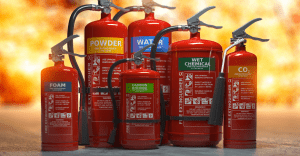
What are the 6 Classes of Fire?
In the US, firefighters respond to an emergency every 24 seconds. Having a fire safety plan in place is essential to ensure you’re prepared, and having the right fire extinguisher could save your home, workplace, or even lives. However, using the wrong fire extinguisher can be extremely dangerous, which is why it’s critical to understand…
Read More 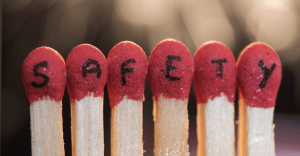
What is the NFPA 101 Life Safety Code?
When we walk into a building, we assume we’re safe. A large part of our assured feelings of security is thanks to the NFPA 101 Life Safety Code. Created in 1913 by NFPA’s Committee on Safety to Life, the Life Safety Code was designed to bring attention to a building’s potential hazards. By locating these…
Read More 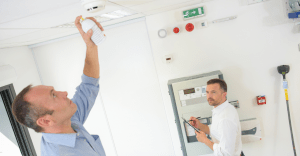
What Does an Emergency Light Inspection Include?
Power outages are inevitable. When at home, the solution to a sudden power outage is often a stash of emergency flashlights or candles or maybe a small generator. Commercial power outages are a different story and present their own challenges. Commercial properties have safety regulations, which include emergency lighting requirements. These NFPA requirements are designed…
Read More 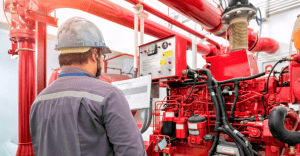
What is Included in a Fire Sprinkler Inspection?
If you own an indoor sprinkler system for your business, having it inspected regularly can help prolong your system’s life and, therefore, help protect your property. A fire sprinkler system inspection can occur weekly, monthly, quarterly, annually, or on a 3-year or 5-year basis. The inspection schedule for each system is determined by the NFPA…
Read More 
5 Things to Know About the OSHA Code of Federal Regulations
There are specific rules and regulations that all businesses must follow to ensure their employees remain safe while working. These rules are determined by The Occupational Safety and Health Administration or OSHA. OSHA is a branch of the U.S. Department of Labor. It is their responsibility to guarantee workplace safety each day for millions of…
Read More 
Can Fire Extinguishers Be Refilled?
Fire safety and prevention is a top priority for both home and business owners. But how do you know if your fire extinguisher is working and when it’s time to get a replacement? You may be wondering if fire extinguishers even can be refilled. In short, yes! It’s possible to refill fire extinguishers if…
Read More 
Helpful Tips for Preventing Wildfires
Whenever a wildfire ignites, we can be sure devastation will follow in its wake. Over 68,000 wildfires are reported every year in the United States, and humans cause 9 out of 10 of those fires. There are many different ways a wildfire can begin, such as campfires, fireworks, vehicles, and gender reveal parties, but there…
Read More 
How a Kitchen Fire Suppression System Works
Cooking equipment is the primary cause of 57% of all restaurant fires. Long-term lost revenue is just the beginning of post-fire expenses involved. Repairs to your building, equipment replacement, and higher insurance rates all making staying in business difficult. Business owners that take assertive measures to avoid fire minimize their risk and set themselves up…
Read More 
How to Dispose of a Home Fire Extinguisher
Are your home fire extinguishers looking a little dusty? Even rusty? Do you know the last time you had them inspected? While many fire extinguishers last up to 12 years, many homeowners haven’t even looked at them for more than that. How to Dispose of Used Fire Extinguishers If it’s time to get rid…
Read More 
Backflow Preventer System Answers to Frequently Asked Questions
When you turn the shower on in your bathroom at home, you are instantly met with hot, clean water. Ah . . . the joys of civilization! At dinner time, you have the luxury of washing your hands, cleaning dishes, or filling pans with bright, pressurized water that stays within the sink. But . .…
Read More 
How Many Fire Extinguishers for Home Use Are Required?
Most people know it is a good idea to have fire extinguishers for home use, but they don’t know how many they should own or where they should be located. Here are a few answers to common questions about fire extinguisher number and location. Every home should have at least one fire extinguisher that is…
Read More 
Do Home Fire Sprinkler Systems Need Maintenance?
Most of our at-home fire-fighting equipment is limited to smoke detectors and maybe a small kitchen or fireplace extinguisher. We only see sprinkler heads and fire pulls in commercial buildings. With the number and intensity of fires growing every year, however, more homeowners are installing their own home fire sprinkler systems. A home fire sprinkler…
Read More 
How Often Do Fire Sprinkler Heads Need to Be Replaced?
Timely and proper emergency fire sprinkler head replacement can mean the difference between life and death for your tenants. State and local governments mandate regular fire sprinkler inspections and proper fire sprinkler head replacement. Keep your customers, clients, tenants, and surrounding neighborhood—not to mention your reputation and income—safe with regular sprinkler head inspection. What…
Read More 
Home Fire Safety Checklist
There are many fire protection products out in the market, which you should install and maintain throughout the years to keep your home or business safe. Furthermore, check out our tips to prevent fires from starting in the first place. Fire protection products include many items, which are outlined below. Fire Extinguishers When…
Read More 
Why Are Industrial Emergency Lights Important?
We have all sat at home, and the lights go out. We scramble in the dark to find our candles and flashlights so we can function. At the very least, we turn the flashlight on from our phones to help us navigate our home and not trip over each other, our furniture, our pets, or…
Read More 
The Standard Fire Protection Equipment required of your Commercial Building
Fire safety should be a priority for individuals who own and manage commercial buildings, including following the established fire safety regulations by agencies such as the Occupational Safety and Health Administration (OSHA). Abiding by the stipulated regulations will help to protect lives, from customers to the general public. There is certain standard equipment required and…
Read More 
3 Key Fire Protection Devices Needed for an Industrial Kitchen
In fast-paced environments like restaurants that depend on the use of stoves and open flames, accidents are bound to happen. Practicing fire safety routines and educating staff will only go so far in the case of an emergency. It is essential for restaurant owners to equip their facilities with industrial kitchen fire protection systems to…
Read More 
Are Special Hazard Fire Suppression Systems Necessary?
Whether it be a public or a private place, there might be valuables that people would not want to lose. When fires and special hazards enter the equation, it can get very scary. This would start people down the path of deciding whether or not a special hazard fire suppression system is necessary for their…
Read More 
Fire System Inspection: Checklist and Process
Fires are a serious issue in the United States. In fact, firefighters in the U.S. respond to a fire every 24 seconds. Even with government regulations in place fires do occur and can cause massive destruction. Fire protection services are necessary to prevent the damage and potential loss of life that can occur from fire…
Read More 
The 3 Functions of Kitchen Suppression Systems
Whether you have a large restaurant or a small café, a kitchen fire is one of the biggest threats to the longevity of your business. Every year, fire causes more deaths in the U.S. than all natural disasters combined. A kitchen fire not only endangers the lives of staff and patrons but can also shut…
Read More 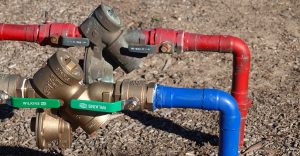
Backflow Preventer Systems: Why They’re Necessary For Your Commercial Building
In the United States, there are over 295,000 water supply systems that are both publicly and privately owned. Without these supply systems, about 85% of Americans won’t have access to safe and clean water. Needless to say, there are mechanisms in place to ensure that safe water is being supplied to the population. One…
Read More 
5 Mandatory Steps to Take to Protect Your Commercial Property from Fire
A fire can be detrimental not only to your building but to the businesses that are in it. A business can be completely ruined with one fire. With over 111,000 reported non-residential fires in the U.S. in 2017, it is an event that ends up costing businesses a lot of money. Although fire protection services…
Read More 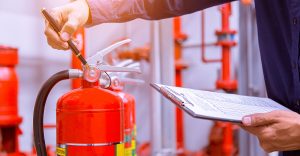
3 Fire Protection Products Necessary for Your Home or Condo Rental Property
Fires are devastating and dangerous events, whether caused by wildfires or by other indoor causes. Unfortunately, California is a state that has experienced the destruction that these events cause. The frequency of wildfires in the western U.S. has increased by 400% since 1970, with California being hit hard in recent years. Seasonal wildfires…
Read More